
Bronze Bearings & Bushings FAQs
Have questions about bronze bearings, bushings, thrust washers, materials, lubrication, or selecting the right component? Explore answers to common questions about Proform’s powder metal bearing products and manufacturing capabilities.
General Bronze Bearing & Bushing FAQs
What is an oil-impregnated bronze bearing?
An oil-impregnated bronze bearing is manufactured using a powder metallurgy process that creates controlled porosity throughout the component. These microscopic pores are filled with lubricating oil, allowing the bearing to store and provide its own source of lubrication during operation.
Are bronze bearings self-lubricating?
Oil-impregnated powder metal bronze bearings are considered self-lubricating because lubricant is stored within their porous structure. During operation, oil helps create a lubricating film between the bearing and mating surface, reducing friction and wear.
What oil does Proform use in its bronze bearings?
Proform’s standard bronze products use SAE oil impregnation. Alternative lubricants may be available depending on the specific part, operating environment, and application requirements.
Does Proform offer materials other than standard bronze?
Material options may be available depending on the component and application. Proform’s engineering team can evaluate operating conditions, performance requirements, and part geometry to determine whether an alternative material should be considered.
What are the advantages of powder metal bronze bearings?
Powder metal bronze bearings provide a combination of self-lubricating performance, wear resistance, dimensional consistency, quiet operation, and cost-effective high-volume manufacturing. The powder metallurgy process also creates the controlled porosity necessary for oil impregnation.
What applications use bronze bearings and bushings?
Bronze bearings and bushings are used across automotive, agricultural equipment, outdoor power equipment, home appliances, electric motors, pumps, HVAC equipment, industrial machinery, material handling equipment, recreational vehicles, power tools, and many other applications.
Does Proform manufacture standard and custom bearings?
Yes. Proform manufactures both standard products and custom powder metal components. For custom applications, our engineering team can evaluate dimensions, geometry, material, lubrication, performance requirements, and anticipated production volumes.
How do I select the right bronze bearing?
Bearing selection depends on factors including load, shaft speed, operating temperature, shaft material and finish, dimensional requirements, duty cycle, lubrication requirements, environmental exposure, and expected service life. Proform’s engineering team can help evaluate these requirements and recommend an appropriate solution.
Bronze Sleeve Bearing FAQs
What is a bronze sleeve bearing?
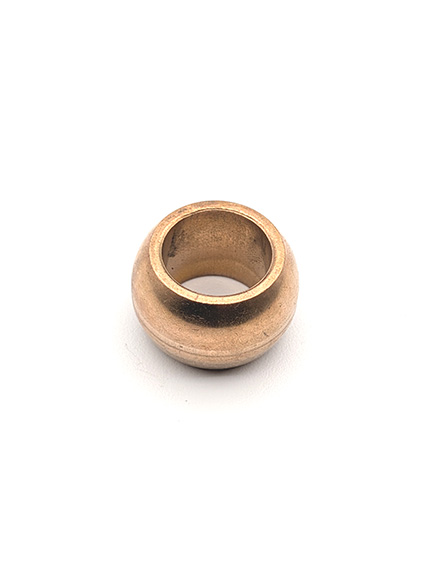
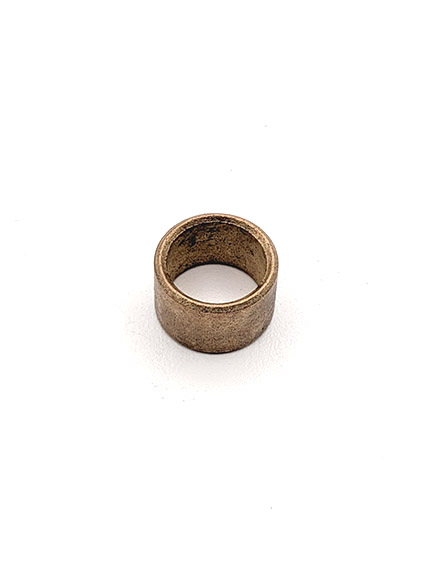
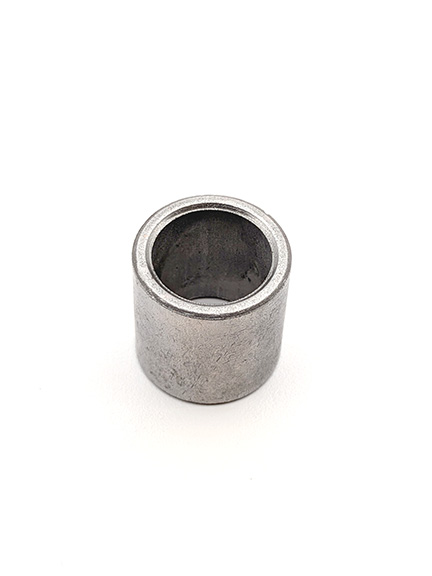
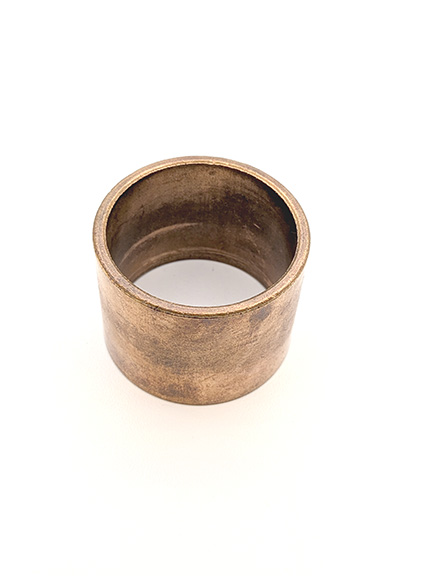
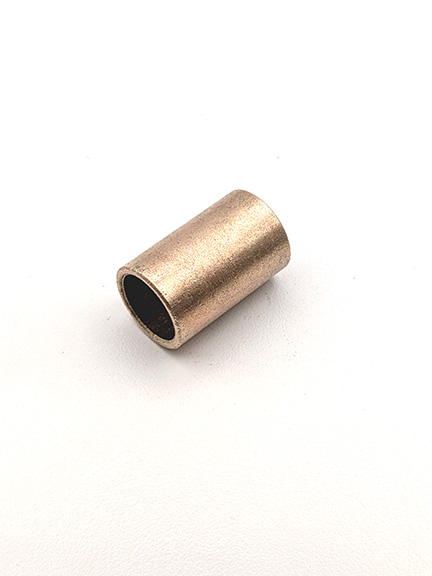
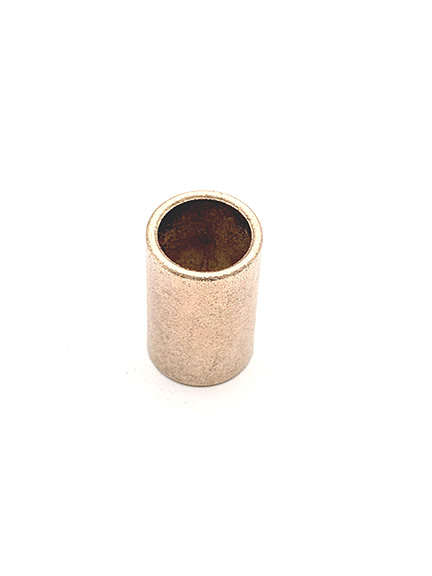
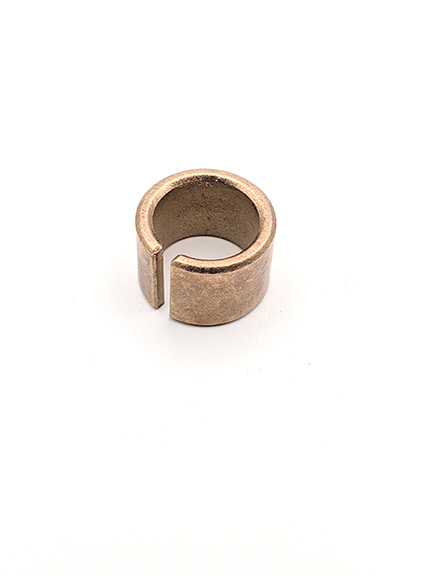
A bronze sleeve bearing is a cylindrical plain bearing designed to support a rotating or sliding shaft while reducing friction between moving surfaces. Its simple construction contains no balls or rollers, making it compact, durable, and well suited for many high-volume applications.
Are sleeve bearings and bushings the same thing?
The terms “sleeve bearing” and “bushing” are often used interchangeably. A bronze sleeve bearing is a cylindrical bushing that provides a low-friction bearing surface between a shaft and housing.
How do oil-impregnated sleeve bearings work?
Lubricating oil is stored within the microscopic pores of the powder metal bronze. During operation, the lubricant helps create a film between the shaft and bearing surface that reduces friction and wear.
Where are bronze sleeve bearings commonly used?
Bronze sleeve bearings are commonly found in electric motors, pumps, fans, appliances, automotive components, agricultural machinery, outdoor power equipment, gearboxes, actuators, industrial equipment, and many other mechanical assemblies.
Can Proform manufacture custom sleeve bearings?
Yes. Proform can manufacture custom powder metal sleeve bearings for high-volume applications. Custom requirements can include dimensions, geometry, materials, lubrication, and application-specific performance characteristics.
Bronze Flange Bearing FAQs
What is a bronze flange bearing?
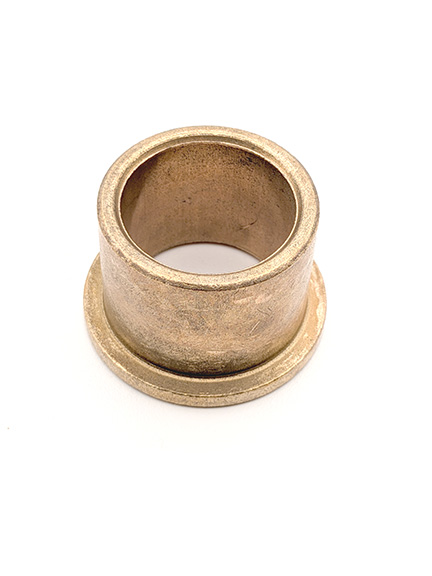
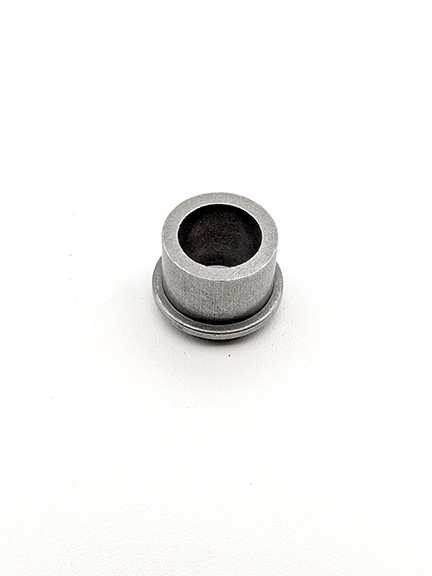
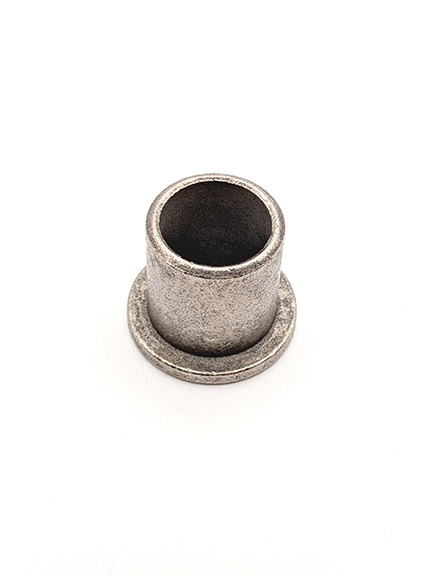
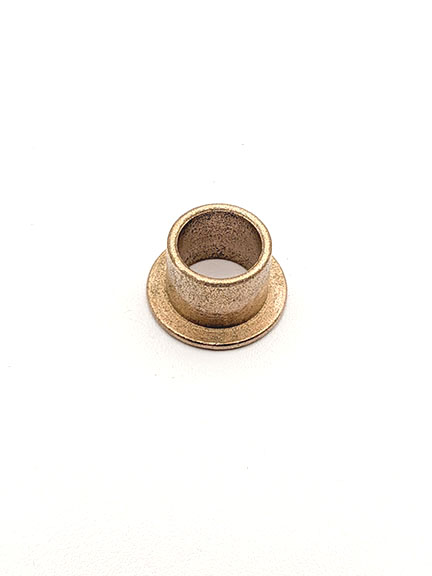
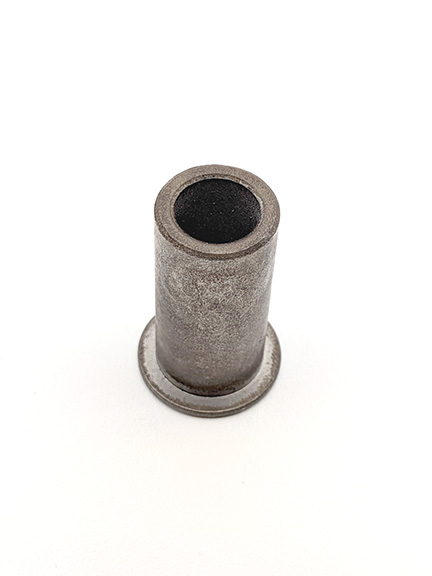
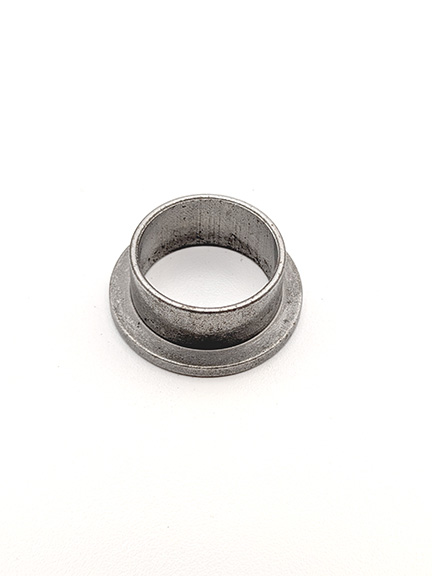
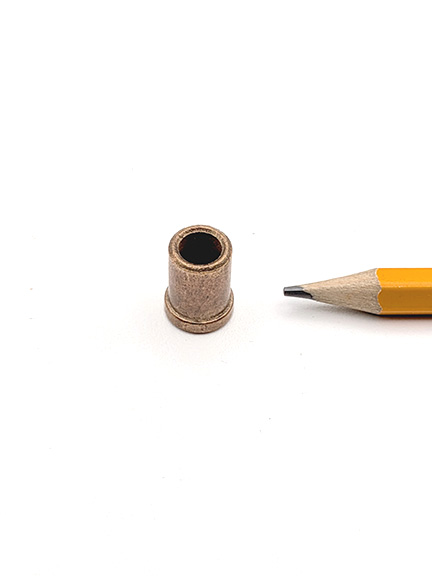
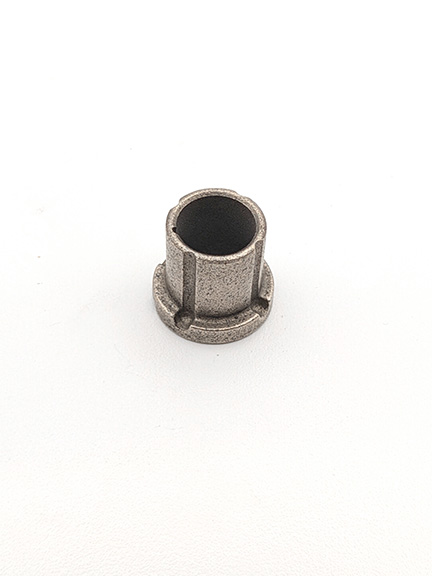
A bronze flange bearing is a cylindrical sleeve bearing with an integrated flange at one end. The cylindrical portion supports the shaft, while the flange can help position the bearing, prevent axial movement, and provide an additional bearing surface.
What is the difference between a flange bearing and a sleeve bearing?
A sleeve bearing is primarily cylindrical and provides a bearing surface between the shaft and housing. A flange bearing adds an integrated shoulder or flange that can help locate the bearing and accommodate axial loading.
Why would I use a flange bearing instead of a sleeve bearing?
A flange bearing may be appropriate when an application requires both radial shaft support and axial positioning or a thrust-bearing surface. Combining these functions into a single component can also simplify an assembly.
Are bronze flange bearings self-lubricating?
Oil-impregnated powder metal bronze flange bearings store lubricant within their porous structure and can provide self-lubricating performance during operation.
Where are bronze flange bearings used?
Bronze flange bearings are used in electric motors, pumps, fans, gearboxes, automotive systems, agricultural equipment, appliances, outdoor power equipment, industrial machinery, and many other mechanical assemblies.
Can Proform manufacture custom flange bearings?
Yes. Proform can evaluate custom inside and outside diameters, bearing lengths, flange dimensions, materials, lubricants, geometries, and performance requirements for high-volume applications.
Bronze Thrust Washer FAQs
What is a bronze thrust washer?
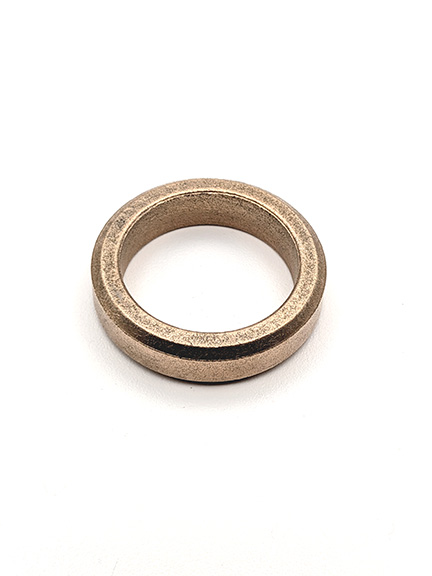
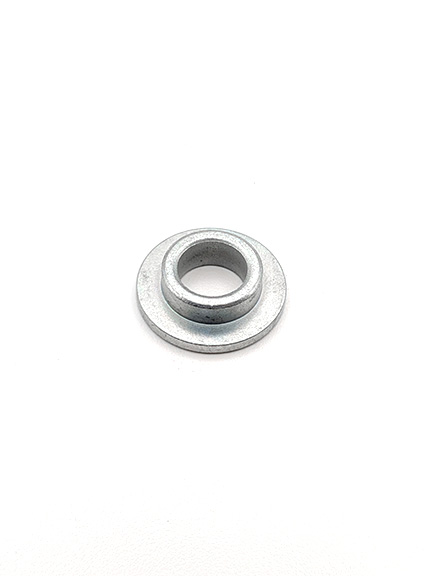
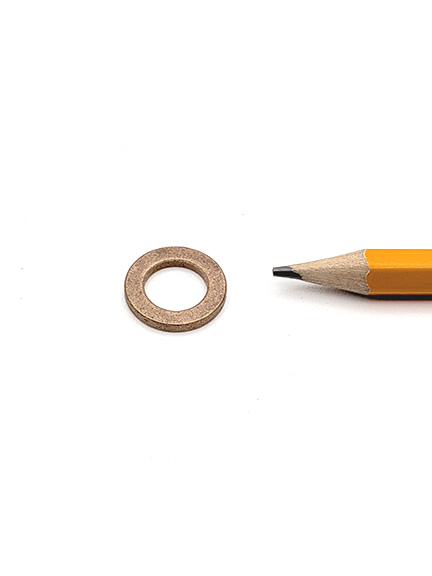
A bronze thrust washer is a flat bearing component designed to provide a low-friction surface between components experiencing axial loads. It helps reduce direct metal-to-metal contact, friction, and wear.
What is an axial load?
An axial load is a force acting parallel to the axis of a shaft. In simple terms, it is a force pushing along the length of the shaft rather than against its side.
What is the difference between a thrust washer and a regular washer?
A conventional washer is typically associated with a fastener and is used to distribute load or protect a surface. A thrust washer functions as a bearing and is specifically designed to reduce friction and wear between components experiencing axial movement or loading.
What is the difference between a thrust washer and a sleeve bearing?
A sleeve bearing primarily supports radial loads acting against the side of a shaft. A thrust washer is designed to accommodate axial loads acting along the shaft. Some assemblies may use both components.
Are bronze thrust washers self-lubricating?
Oil-impregnated powder metal bronze thrust washers contain lubricant within their porous structure, allowing them to provide self-lubricating performance during operation.
Where are bronze thrust washers used?
Bronze thrust washers can be found in electric motors, gearboxes, pumps, automotive components, agricultural equipment, appliances, power tools, industrial machinery, actuators, and other assemblies requiring a compact axial bearing surface.
Does Proform manufacture custom thrust washers?
Yes. Proform can manufacture custom powder metal thrust washers for high-volume applications and evaluate inside diameter, outside diameter, thickness, geometry, material, lubrication, and performance requirements.
STILL HAVE QUESTIONS?
Selecting the right bearing involves more than simply matching dimensions. Load, speed, temperature, lubrication, materials, operating environment, and expected service life can all affect bearing performance. Proform’s engineering team can help evaluate your application and determine the appropriate product, material, lubricant, and configuration.
PROFORM PRODUCT PORTFOLIO
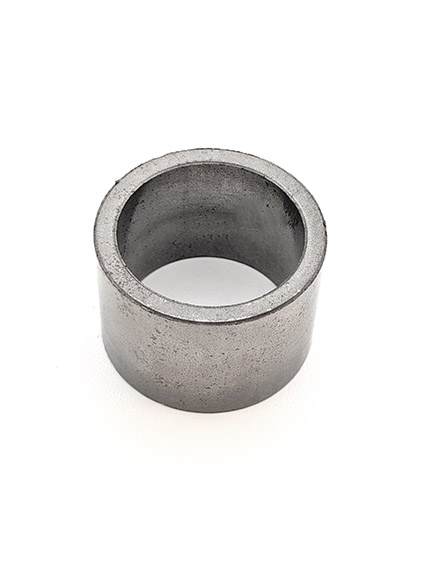
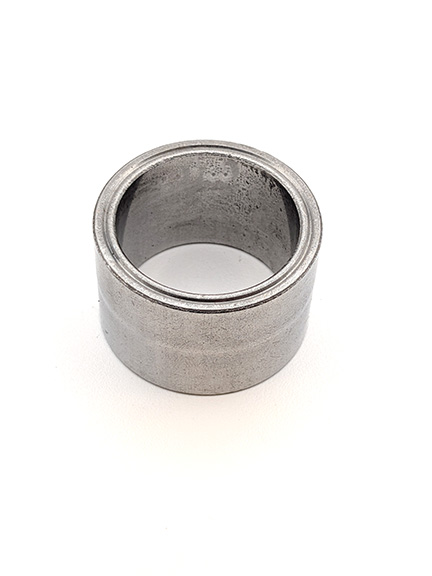
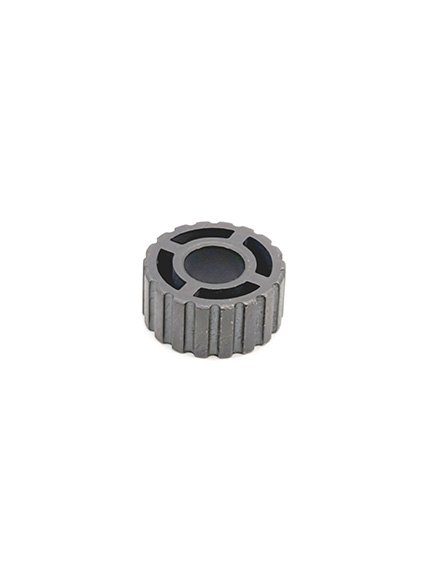
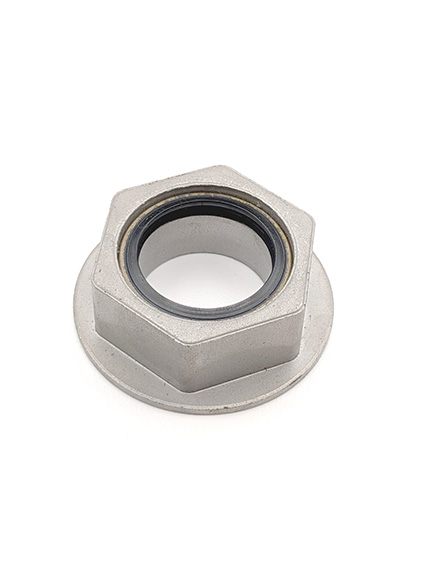
Proform manufactures a wide range of standard and custom powder metal components for OEMs, distributors, and industrial applications. From bronze bearings, bushings, thrust washers, and spacers to iron-based components and custom-engineered parts, our product solutions combine proven powder metallurgy expertise with high-volume manufacturing capabilities. Explore our product lines to find the right solution for your application.