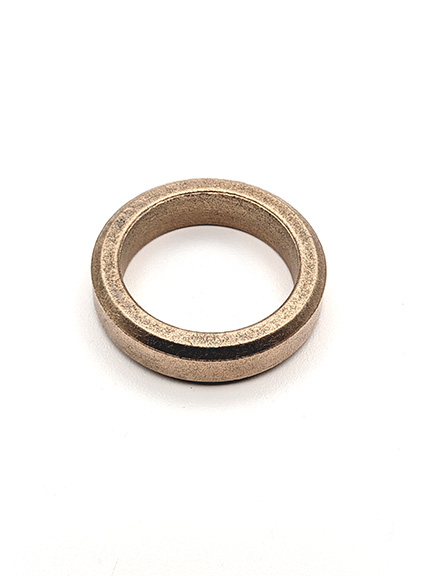
Advantages and disadvantages of using bronze versus brass
Bronze and brass are both copper-based alloys, but they behave differently in real-world use. Bronze is typically chosen for strength, wear resistance, and demanding environments, while brass is often preferred for decorative work, machinability, and applications where a gold-like appearance matters. This comparison explains the practical advantages and disadvantages of bronze vs brass so you can match the material to the job instead of choosing by appearance alone.
Which metal is better for your project?
Bronze is usually better when the part must resist wear, friction, or harsh outdoor and marine conditions. Brass is usually better when the project needs easier machining, attractive finish options, good formability, or cost-conscious decorative performance. The best choice depends on the required metal properties: corrosion resistance, strength, workability, appearance, maintenance, and the environment where the part will be used.
| Decision factor | Bronze | Brass |
|---|---|---|
| Main alloy base | Copper commonly alloyed with tin, sometimes with other elements | Copper alloyed primarily with zinc |
| Typical visual character | Warmer brown, reddish, or darker antique tone | Yellow-gold tone, often brighter and more decorative |
| Strength and wear | Strong wear resistance; good for bushings, bearings, and load-bearing parts | Good for many fittings and components, but usually selected less for heavy wear |
| Machinability | Can be machined, but some grades are tougher to work | Often easier to machine, cut, polish, and form |
| Corrosion performance | Strong in many outdoor, saltwater, and industrial settings | Good corrosion resistance, but grade and environment matter |
| Decorative appeal | Rich, traditional, architectural, antique look | Bright, polished, gold-like appearance |
| Common uses | Bearings, bushings, marine hardware, sculptures, industrial components | Valves, fittings, instruments, hardware, trim, decorative parts |
| Main drawback | Can be heavier, harder to work, and more costly depending on grade | Can tarnish, may be less suitable for high-wear applications, and some grades have limitations |
Bronze delivers durability in demanding settings
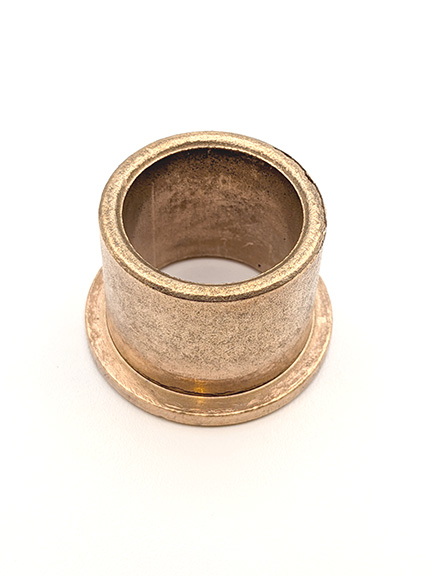
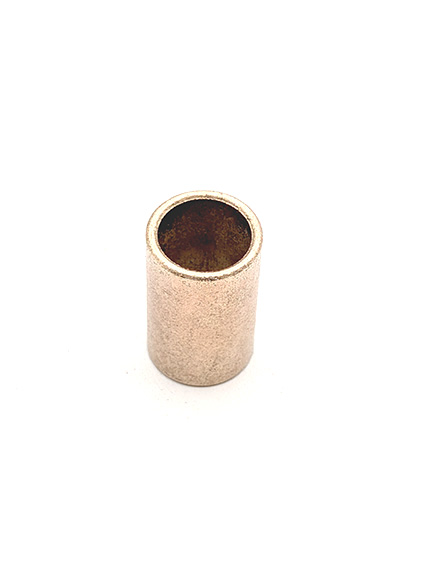
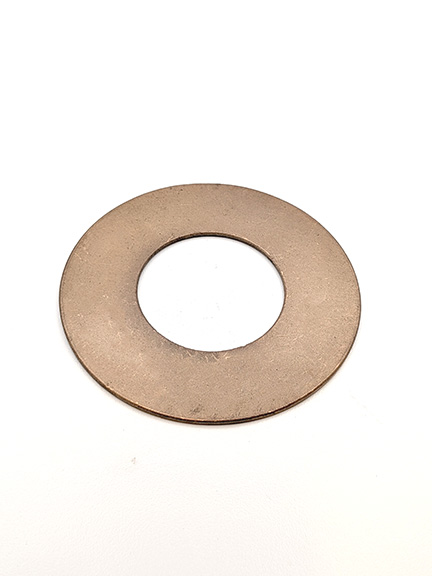
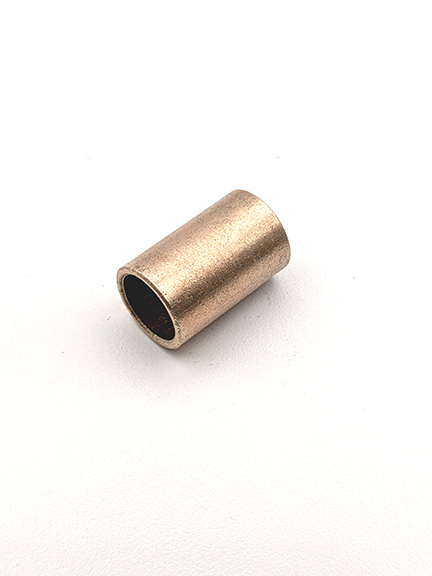
Bronze is valued because it performs well where friction, moisture, and mechanical stress are concerns. Its combination of copper with tin and other alloying elements can create a tough material with good resistance to wear. That makes bronze a strong candidate for components that move against other parts, such as bushings, bearings, gears, and sliding surfaces.
One major advantage of bronze is its behavior in marine and outdoor environments. It is widely associated with corrosion resistance, especially where exposure to moisture or salt is expected. This does not mean every bronze grade is automatically right for every corrosive setting, but bronze is often considered when longevity matters more than a bright decorative finish.
Bronze also has a distinctive appearance. It tends to look warmer, deeper, and more traditional than brass, which is why it appears in sculptures, plaques, architectural details, and restoration work. Over time, bronze can develop a patina that many designers and property owners find attractive.
The disadvantages of bronze are mostly practical. It may be more expensive than brass depending on the alloy and market conditions. It can also be less convenient to machine or form, especially when compared with free-machining brass grades. If the project is primarily decorative, lightweight, or budget-sensitive, bronze may be more material than the application actually needs.
Brass offers workability, appearance, and versatility
Brass is popular because it combines useful performance with an appealing yellow-gold appearance. Its copper-zinc composition makes it suitable for many hardware, plumbing, electrical, musical, and decorative applications. Where bronze often feels industrial and durable, brass often feels versatile and design-friendly.
One of the clearest advantages of brass is workability. Many brass grades are easy to machine, drill, cut, stamp, polish, and finish. This makes brass useful for small precision parts, fittings, knobs, fasteners, nameplates, and decorative components where clean detail matters.
Brass also has a strong visual advantage. It can be polished to a bright shine, brushed for a softer look, or allowed to age into a darker surface tone. For visible hardware and interior design details, brass often gives the impression of warmth and quality without requiring the same design language as bronze.
The disadvantages of brass depend on the application. It can tarnish and may need cleaning if a bright finish is desired. Some brass grades may not perform as well as bronze in high-friction, high-load, or severe marine applications. In certain environments, brass selection must be handled carefully because alloy composition affects corrosion behavior.
Which option handles wear and movement better?
Bronze is generally the stronger choice for wear and movement, especially when the component must tolerate friction over time. This is why bronze is commonly associated with bearings, bushings, and industrial parts that experience repeated contact. Brass can work well for many mechanical and hardware uses, but it is usually selected more for machinability, fittings, and appearance than for heavy-duty wear resistance.
| Wear-related need | Better fit | Why it matters |
|---|---|---|
| Repeated sliding contact | Bronze | Better suited to friction-heavy applications |
| Bearing or bushing use | Bronze | Often chosen for load and wear resistance |
| Decorative moving hardware | Brass | Easier to shape and finish for visible components |
| Light mechanical fittings | Brass | Practical when high wear is not the main concern |
| Long service in demanding use | Bronze | More appropriate when replacement is difficult or costly |
If the part is hidden inside a machine, pump, hinge system, or marine assembly, bronze may justify its higher effort or cost. If the part is visible, lightly loaded, or produced in detailed shapes, brass may be the more efficient choice. The key is to avoid choosing brass only because it is easier to work when the application actually needs bronze-level wear performance.
Which metal looks better and needs less finishing?
Brass is usually the better choice when the goal is a bright, polished, decorative appearance. Its gold-like color makes it common for handles, trim, fixtures, instruments, signs, and design accents. Bronze looks more muted and traditional, which can be more appropriate for monuments, sculptural work, heritage-style hardware, and architectural details.
Neither metal is completely maintenance-free if appearance matters. Brass can tarnish, and polished brass may need cleaning or protective coating to keep its shine. Bronze often darkens and develops patina, which can be either a benefit or a disadvantage depending on the desired look.
| Appearance goal | Choose brass when… | Choose bronze when… |
|---|---|---|
| Bright decorative finish | You want a gold-like shine | You prefer a darker, warmer tone |
| Antique or traditional feel | You want polished vintage hardware | You want depth, patina, and permanence |
| Low visual maintenance | A natural aged brass look is acceptable | Patina is part of the design intent |
| High-polish presentation | Regular cleaning is acceptable | A bright shine is not the main goal |
For interior design, brass often has the advantage because it is easier to coordinate with fixtures and decorative finishes. For outdoor art, plaques, and marine-inspired architectural elements, bronze often looks more appropriate as it ages.
Cost, fabrication, and availability can decide the practical choice
Even when bronze has better performance, brass may be the better commercial choice if the part is simple, decorative, or produced in quantity. Brass is widely used because many grades are easy to fabricate and finish, which can reduce production complexity. Bronze can be worth the investment when the component must survive conditions that would shorten the life of a less suitable alloy.
Cost should not be evaluated only by the price of raw material. A bronze part that lasts longer in a high-wear setting may be more economical over its service life. A brass part that is easier to machine and polish may be more economical for decorative or light-duty applications.
Use this practical checklist before selecting either alloy:
- Choose bronze if the part must resist wear, friction, outdoor exposure, marine conditions, or long-term mechanical stress.
- Choose brass if the part needs a bright finish, detailed machining, decorative appeal, or efficient fabrication.
- Check the alloy grade because “bronze” and “brass” describe families of metals, not one fixed material.
- Consider maintenance expectations because both metals can change appearance over time.
- Match the environment rather than relying only on color, especially around moisture, chemicals, or salt.
- Balance upfront cost with service life when replacement, downtime, or visible wear would be expensive.
Advantages and disadvantages at a glance
The clearest advantage of bronze is durability in tougher conditions. It is the better candidate for wear surfaces, heavy-duty components, marine hardware, and applications where strength and corrosion resistance are more important than ease of fabrication. Its disadvantages are that it may cost more, may be harder to machine, and may not provide the bright decorative look some projects require.
The clearest advantage of brass is usability. It is attractive, workable, easy to finish, and suitable for a wide range of visible and functional parts. Its disadvantages are that it may tarnish, may be less ideal for severe wear, and must be specified carefully for corrosive environments.
| Category | Bronze advantages | Bronze disadvantages | Brass advantages | Brass disadvantages |
|---|---|---|---|---|
| Performance | Strong wear and corrosion resistance | May be more difficult to fabricate | Reliable for many general uses | Less ideal for heavy wear |
| Appearance | Rich, aged, traditional look | Not usually bright gold | Bright, decorative finish | Can tarnish over time |
| Fabrication | Good for durable cast or machined parts | Grade may affect workability | Often easy to machine and polish | Softer grades may limit use |
| Best fit | Industrial, marine, sculptural, load-bearing | Overbuilt for light decorative jobs | Hardware, fittings, trim, instruments | Not always right for harsh service |
Final recommendation
For most performance-driven applications, bronze is the safer choice when wear resistance, durability, and environmental exposure matter. For most decorative, precision-machined, or cost-conscious applications, brass is often the more practical choice. In short, bronze vs brass is not about which alloy is universally better; it is about choosing the metal properties that match the job.
If the part must last under stress, start by evaluating bronze. If the part must look refined, machine cleanly, or serve a lighter-duty role, start with brass. When the application is critical, confirm the exact alloy grade and operating conditions before finalizing the material choice.