
Oil-Impregnated Bronze Bearings
Oil Impregnation for Powder Metal Bearings & Bushings
Self-Lubricating Performance
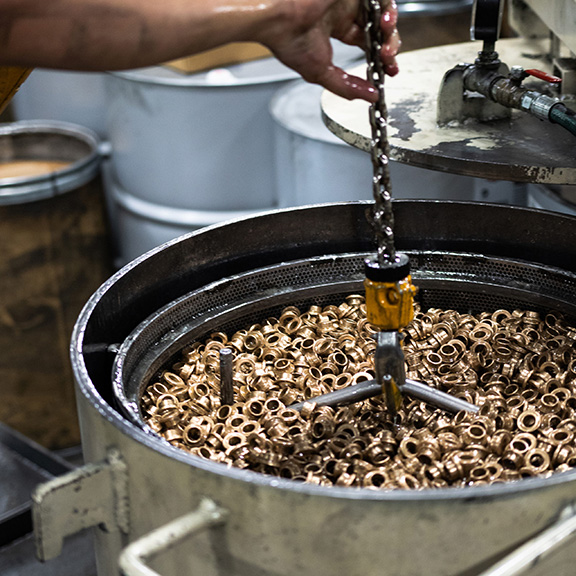
Oil impregnation is one of the key advantages of powder metal bearing technology and a core manufacturing capability at Proform. The controlled, interconnected porosity created during the powder metallurgy process allows lubricating oil to be stored throughout the component, creating self-lubricating bronze bearings and bushings designed to reduce friction, wear, and maintenance.
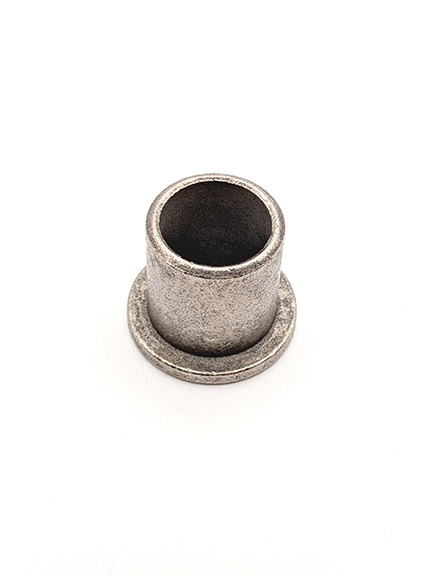
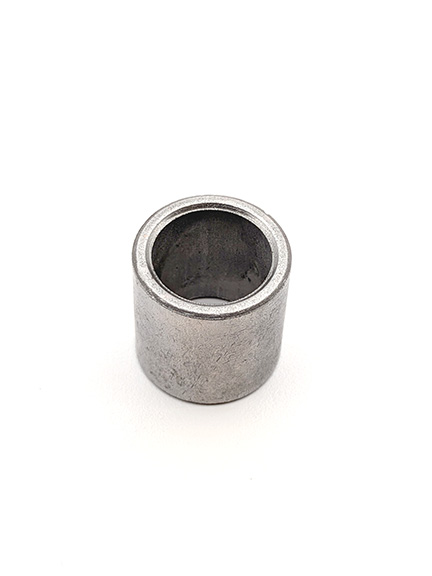
Proform manufactures oil-impregnated bronze sleeve bearings, flange bearings, bushings, thrust washers, and other powder metal components for OEM and industrial applications. Depending on the application, Proform can work with a variety of conventional and synthetic lubricants selected for operating temperature, viscosity, load, speed, wear resistance, surrounding materials, and environmental requirements.
Lubricant options include products from CHEMLUBE®, SYNTROIL®, OMNILUBE®, Gulf®, Phillips 66®, and other industrial lubricant manufacturers.
How Oil-Impregnated Bronze Bearings Work
Powder metallurgy allows Proform to manufacture bronze bearings with a controlled network of microscopic, interconnected pores.
Bronze powder is compacted into the desired geometry and sintered under controlled conditions. Unlike a fully dense machined component, the resulting powder metal structure retains controlled porosity that can serve as an internal lubricant reservoir.
During oil impregnation, lubricant is introduced into this porous structure. In operation, temperature and pressure changes help bring lubricant to the bearing surface, supporting the lubricating film between the bearing and mating component. This provides a source of lubrication within the bearing itself rather than relying exclusively on lubricant applied externally.
The result is a compact, low-maintenance bearing solution well suited to high-volume applications.
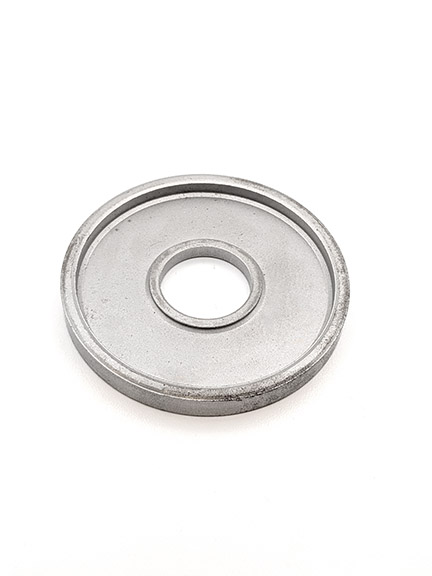
Oil Selection Is Part of Bearing Design
There is no single lubricant appropriate for every oil-impregnated bearing.
A small electric motor operating in a cold environment can have very different lubrication requirements from a bearing exposed to elevated temperatures, higher loads, plastic components, or food-processing equipment.
Proform can evaluate factors including:
- Operating temperature
- Bearing load
- Shaft speed
- Required viscosity
- Start-up conditions
- Duty cycle
- Wear requirements
- Evaporation and oxidation resistance
- Surrounding plastics and elastomers
- Environmental conditions
- Food-processing requirements
- Expected service life
Depending on these requirements, lubricant properties such as kinematic viscosity, viscosity index, pour point, flash point, evaporation rate, oxidation stability, and anti-wear performance can become important parts of the selection process.
Oil-Impregnation Options
Proform works with multiple lubricant types to support different bearing and application requirements. The following are examples of oils represented in our lubricant options.| Lubricant | Typical Application | Viscosity @ 40°C | Viscosity @ 100°C | Viscosity Index | Pour Point | Flash Point |
|---|---|---|---|---|---|---|
| CHEMLUBE 201 | Low-temperature / light viscosity | 13.3 cSt | 3.6 cSt | 162 | -85°F | 391°F |
| CHEMLUBE 207 | Wide-temperature PM bearing applications | 36.1 cSt | 8.8 cSt | 232 | -70°F | 450°F |
| CHEMLUBE 217 | High-temperature PM bearings | 56.9 cSt | 9.3 cSt | 145 | -65°F | 550°F |
| CHEMLUBE 645 | General-purpose PM bearing impregnation | 60.4 cSt | 11.0 cSt | 176 | -75°F | 473°F |
| SYNTROIL 440G | High-wear / high-temperature applications | 74 cSt | 12.6 cSt | 176 | -50°F | 470°F |
| SYNTROIL 555 | High-temperature applications | 122 cSt | 13.8 cSt | 110 | -30°F | 540°F |
| SYNTROIL 560 | Higher-viscosity, high-temperature applications | 223 cSt | 19.0 cSt | 95 | -31°F | 585°F |
Values shown are typical lubricant properties supplied by the lubricant manufacturers and should not be interpreted as operating limits or performance specifications for a finished Proform bearing.
These products demonstrate the range of lubrication characteristics available for powder metal bearing applications.
For example, CHEMLUBE 201 is a relatively light synthetic lubricant with a viscosity of 13.3 cSt at 40°C and a pour point of -85°F, making it suited to applications where low-temperature actuation is important. Its manufacturer lists a useful temperature range of -65°F to 300°F.
CHEMLUBE 207 increases viscosity to 36.1 cSt at 40°C while maintaining a high viscosity index of 232. Ultrachem specifically identifies it as a synthetic impregnating lubricant for powder metal bearing applications exposed to both low and high temperatures.
For higher-temperature applications, CHEMLUBE 217 is a fully synthetic polyol ester (POE) impregnating fluid developed for powder metal bearings. Its data sheet lists a flash point of 550°F, a pour point of -65°F, and a useful lubricant temperature range of -50°F to 500°F.
Understanding Lubricant Properties
Viscosity
Viscosity describes a fluid’s resistance to flow and is commonly reported in centistokes (cSt) at 40°C and 100°C using ASTM D445.
The lubricants available for bearing impregnation cover a substantial viscosity range. CHEMLUBE 201, for example, is 13.3 cSt at 40°C, while SYNTROIL 560 is 223 cSt at the same temperature.
Higher or lower viscosity is not inherently better. The appropriate viscosity depends on factors such as bearing geometry, load, speed, temperature, and the application’s lubrication requirements.
Viscosity Index
Viscosity changes as temperature changes. Viscosity Index (VI), measured using ASTM D2270, provides an indication of how strongly viscosity changes with temperature.
For example, CHEMLUBE 207 has a listed viscosity index of 232, while CHEMLUBE 645 has a VI of 176.
This property can be particularly important in equipment expected to operate across a broad temperature range.
Pour Point
Pour point, commonly determined using ASTM D97, indicates the low-temperature flow characteristics of a lubricant.
Several of the synthetic impregnation oils available for powder metal bearings have very low pour points. CHEMLUBE 645, for example, lists a pour point of -75°F, while CHEMLUBE 217 lists -65°F.
Pour point is one consideration when evaluating bearings expected to start or operate in cold environments.
Flash Point
Flash point provides information about lubricant behavior at elevated temperatures and is commonly measured using ASTM D92.
The available lubricant portfolio spans products such as CHEMLUBE 201 with a listed flash point of 391°F to SYNTROIL 560 at 585°F.
Flash point should not, however, be interpreted as the maximum allowable operating temperature of a finished bearing.


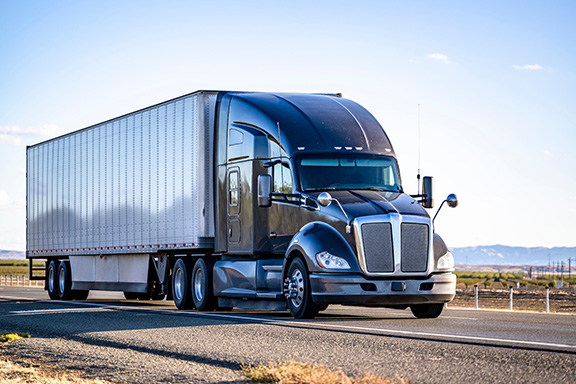


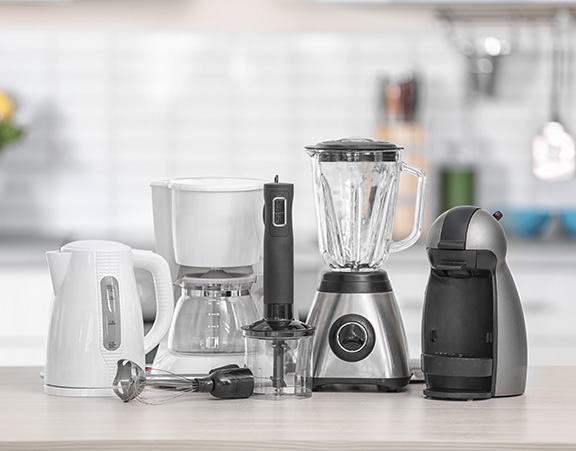

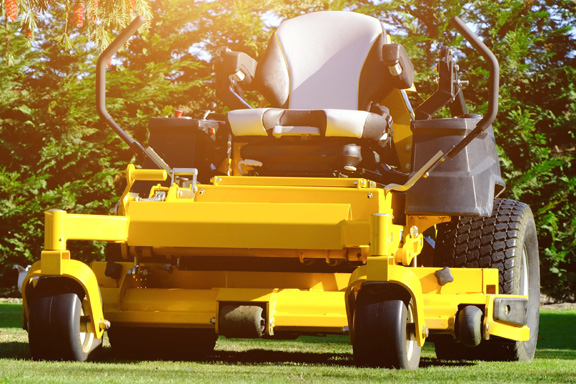
Specialized Lubricants for Demanding Applications
High-Temperature Bearings
For applications exposed to elevated temperatures, Proform can evaluate synthetic impregnating oils designed for thermal and oxidative stability.
CHEMLUBE 217 uses a polyol ester base and is specifically formulated for high-temperature powder metal bearing applications. Its manufacturer lists a useful lubricant temperature range of -50°F to 500°F and a flash point of 550°F.
SYNTROIL 555 and 560 are also formulated for high-temperature sintered metal bearing applications. Their manufacturer lists useful ranges reaching 525°F and 540°F respectively, along with low evaporation, oxidation stability, and high film strength.
High-Wear & Load Applications
Lubricant additives can provide additional protection where bearing loads or wear conditions are more demanding.
CHEMLUBE 645AW is formulated with additional anti-wear additives for increased load-carrying protection. The standard CHEMLUBE 645 is also designed to resist oil migration or “pumping,” helping retain lubricant within the bearing.
Graphite-fortified options are also available. SYNTROIL 440G, for example, is specifically formulated for sintered metal bearings and applications requiring high film strength and wear resistance.
Plastic-Compatible Lubricants
Bearing lubricant selection can become especially important when a bronze bearing operates next to plastic components.
OMNILUBE 550 is a synthetic, plastic-compatible impregnating lubricant specifically designed for powder metal sleeve bearings requiring a more viscous fluid. Its manufacturer reports compatibility with several tested plastics and lists a viscosity of 112 cSt at 40°C, a viscosity index of 160, a -55°F pour point, and a 470°F flash point.
A graphite-fortified OMNILUBE 550G is also available for applications requiring additional protection against dry starts and wear.
Food-Grade Lubricants
Food-processing and food-handling equipment can require lubricants specifically designed for those environments.
Phillips 66 Food Machinery Oil is an ashless food-grade lubricant available in multiple ISO viscosity grades. The supplied product documentation identifies the oil as NSF H1 and H2 registered, including H1 applications where incidental food contact may occur, and also identifies Halal, Kosher, and Pareve certifications.
This gives Proform the ability to evaluate food-grade lubrication options when the bearing application requires them.
Oil-Impregnated Bronze Bearings from Proform
Proform manufactures a broad range of oil-impregnated and self-lubricating powder metal components, including:
- Bronze Sleeve Bearings
- Bronze Flange Bearings
- Bronze Bushings
- Bronze Thrust Washers
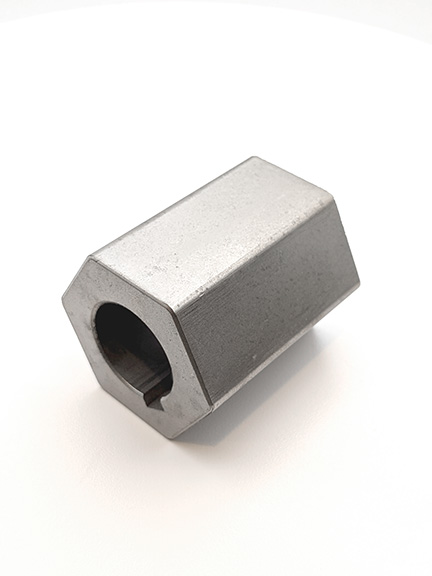
- Spacers and related components
- Custom powder metal bearings and components
Oil impregnation can be combined with Proform’s powder metal compaction, sintering, sizing, machining, tooling, quality inspection, assembly, and packaging capabilities to provide finished, production-ready components.
Why Powder Metal Is Ideal for Oil Impregnation
The ability to store lubricant within the component is inherent to the powder metallurgy process.
Controlled porosity can be engineered as a functional characteristic of a bearing, allowing the component itself to serve as a lubricant reservoir.
This provides several potential advantages:
- Self-lubricating operation
- Reduced maintenance
- Reduced friction and wear
- Long service life
- Quiet operation
- Compact bearing design
- Controlled lubricant retention
- Consistent high-volume production
Lubricant Standards & ASTM Test Methods
The lubricants used for oil impregnation are characterized using established industry test methods and specifications.
Common standards represented in Proform’s available lubricant documentation include:
- ASTM D445 — Kinematic viscosity
- ASTM D2270 — Viscosity index
- ASTM D92 — Flash and fire point
- ASTM D97 — Pour point
- ASTM D972 — Evaporation loss
- ASTM D4172 — Four-ball wear testing
- ASTM D2783 — Extreme-pressure/load-carrying testing
- NSF H1/H2 — Food-processing lubricant classifications
- MIL-PRF-6085 — Low-volatility aircraft instrument lubricating oil specification
Talk to Proform About Your Bearing Application
The right oil-impregnated bearing starts with more than selecting a part number.
Proform can review your bearing geometry, material, shaft speed, load, operating temperature, surrounding materials, environment, and expected service life to help identify an appropriate powder metal and lubrication solution.
Whether your application requires a standard oil-impregnated bronze bushing or a specialized lubricant for temperature, wear, plastic compatibility, or food-processing requirements, Proform has the manufacturing and engineering resources to support high-volume production.
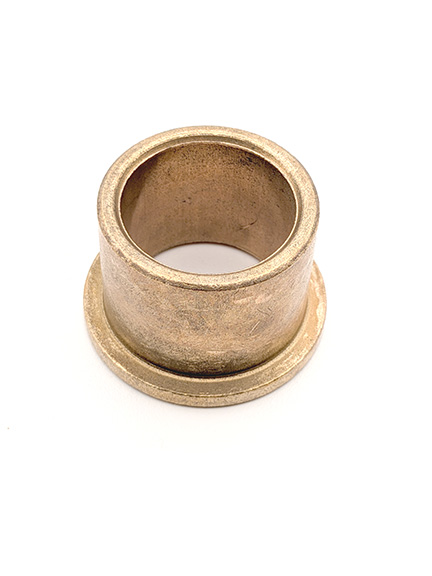
Explore Bronze Flange Bearings
Catalog of bronze flange bearings with OD, ID and flange size options. Custom bearings available.
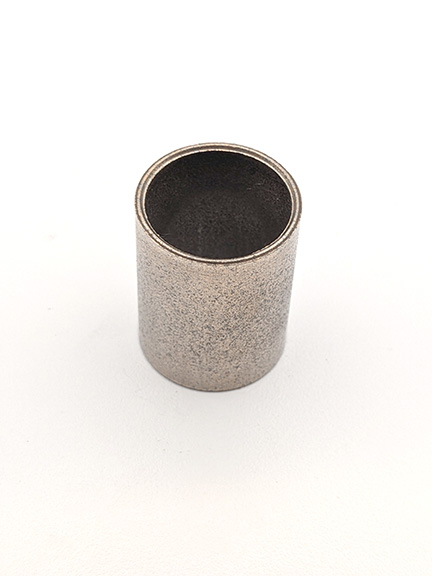
Explore Bronze Sleeve Bearings
Low-friction performance sleeve bearings in a large assortment of OD, ID, lengths and alloys.
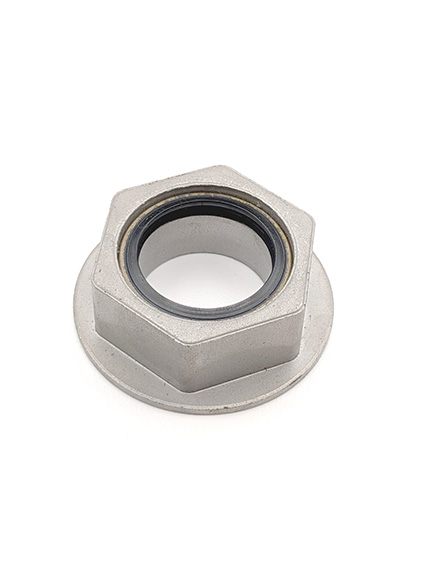
Explore Custom Iron Parts
Proform manufactures custom iron-based powder metal parts and custom alloy components.
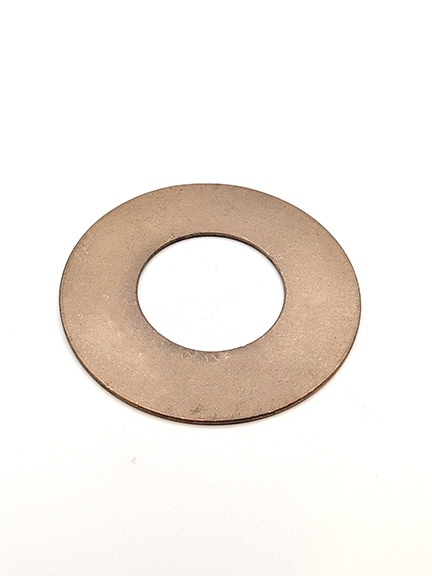
Explore Bronze Thrust Washers
High volume precision bronze thrust washers to manage axial loads and reduce friction between components.